
Bat Removal Houston, TX
Houston has two of the best-known bridge colonies in Texas and a year-round free-tailed bat population, so attic and wall colonies are a regular problem here. This page covers who handles what in the city, how rabies testing works, and when a colony can be excluded.
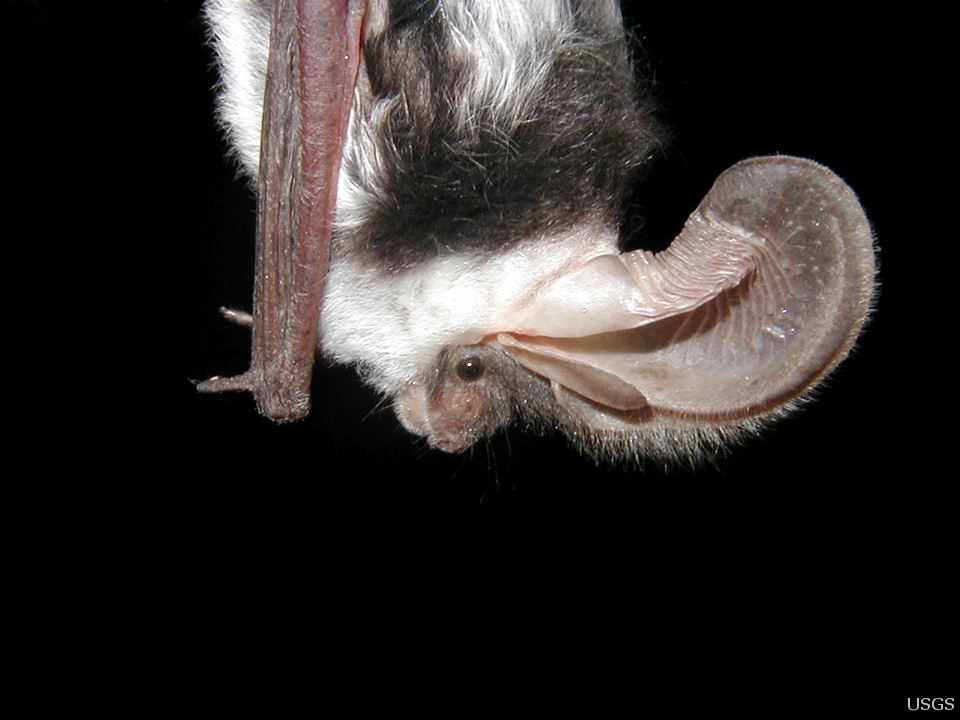
Houston's bats are not just a summer visitor
Most Texans picture bats arriving in spring and leaving in fall. Houston is different. The Mammals of Texas account at Texas Tech notes that the eastern subspecies of the Brazilian (Mexican) free-tailed bat, found in roughly the eastern fourth of the state, stays year-round and is common in older buildings there. That means a Houston attic colony can be present in January as well as July.
The city's public colonies show how many bats the area supports. TPWD and Texas Highways put about 250,000 free-tailed bats under the Waugh Drive Bridge over Buffalo Bayou, less than two miles west of downtown. Another 100,000 or so use the Watonga Boulevard bridge on the White Oak Bayou Greenway, about 11 miles northwest. Texas Highways says the Waugh Drive numbers peak from August through September. Houses near the bayous aren't the only ones affected. Texas Tech's account says free-tailed bats use buildings in every Texas town, and most building colonies hold fewer than 100 bats.
Two other species matter in Houston attics. Evening bats occur east of the 100th meridian, roost in buildings and hollow trees, and give birth from late May to mid-June. Seminole bats and eastern red bats roost in Spanish moss and tree foliage, not attics. A red or Seminole bat clinging to a porch or a tree is usually passing through, not a colony.
Who to call in Houston
- A bat loose in a living area: call 311 for Houston BARC Animal Shelter & Adoptions. BARC responds to bats inside the living space of a home and collects bats for testing when a pet may have been exposed. BARC says it does not remove colonies from attics or walls and refers that work to private companies.
- Rabies testing: the Houston Health Department runs a DSHS-recognized rabies lab at 2250 Holcombe Blvd (832-393-3917). Its guidance treats a bat found inside a residence as a priority specimen. Samples received before 10 a.m. on weekdays are tested the same day, and results are called in by the end of the day.
- Outside city limits: unincorporated Harris County is covered by Harris County Public Health for disease reporting, according to the DSHS county contact list.
Don't release a bat that was in a bedroom or touched someone. Texas DSHS says a bat found in a room with a sleeping person, a child, or someone who can't reliably say what happened may count as an exposure even when no bite is seen. The bat has to be tested to rule that out. Close the room, keep pets out, and call 311.
Timing a Houston exclusion
TPWD allows bats to be moved or excluded from occupied buildings but discourages exclusion from May 1 to August 15, when young can't fly yet and would be sealed in. Texas Tech notes that free-tailed bats are most abundant in buildings in spring and fall. Late August through October is the practical window in Houston, and so is late winter before pups are born. At Bush Intercontinental, average lows stay at or above 50°F from March through November, so bats keep feeding and moving for most of the year. We run one-way exclusion devices only on nights warm enough for bats to leave.
Houston housing and climate snapshot
- Housing units: 1,070,556 (median year built 1985)
- Built before 1980: 44%; built 2010 or later: 19%
- Single-family detached: 42%; buildings with 10+ units: 40%
- Renter-occupied homes: 59%
- Average January low: 44°F; average August high: 95°F
- Months with an average low of 50°F or warmer: Mar–Nov
Housing figures: U.S. Census Bureau, ACS 2024 1-year estimates (tables B25024, B25034, B25035, B25003) via Census Reporter. Climate: NOAA 1991–2020 normals, Houston Intercontinental Ap station.
About 40% of Houston's housing units are in buildings with 10 or more units, and 59% are renter-occupied. Many bat calls here come from tenants. Report bats to the property manager in writing, because exclusion work on shared roofs and soffits needs the owner's approval. Houston is also wet, with about 52 inches of rain a year at the airport station. Soffit and fascia boards that rot and separate from the roofline are a common way in, along with gaps where the roof meets the wall.
Common questions
Will Houston BARC remove bats from my attic?
No. BARC (through 311) handles a bat that is loose inside the living area and bats that need testing after pet contact. It refers colonies in attics or walls to private wildlife companies.
Where are bats tested for rabies in Houston?
The Houston Health Department's rabies laboratory at 2250 Holcombe Blvd (832-393-3917). It treats a bat found inside a residence as a priority sample, and bats received by 10 a.m. are usually reported the same day.
Do Houston bats leave for the winter?
Not reliably. Texas Tech's Mammals of Texas says the eastern free-tailed bat subspecies, which covers the Houston area, lives here year-round. Winter colonies in buildings are common.
When can bats legally be excluded from a Houston house?
Texas allows removal from occupied buildings. TPWD discourages exclusion from May 1 through August 15 because flightless pups can be trapped. Late August through October, or late winter, is the usual window.
Are the Waugh Drive Bridge bats the ones in my attic?
Not necessarily. The bridge holds about 250,000 free-tailed bats, but Texas Tech reports that free-tailed bats use buildings in every Texas town, usually in colonies of fewer than 100. An attic colony may have no connection to the bridge.
Nearby city guides
Sources
- City of Houston BARC: bats
- Houston Health Department: rabies laboratory
- Texas DSHS: Harris County disease reporting contacts
- TPWD: Bat-Watching Sites of Texas
- TPWD: Waugh Drive Bridge
- Texas Highways: top bat-viewing spots
- Mammals of Texas (TTU NSRL): Brazilian free-tailed bat
- Mammals of Texas (TTU NSRL): evening bat
- Mammals of Texas (TTU NSRL): Seminole bat
- TPWD Outdoor Annual: nongame and other species (bats)
- Texas DSHS: bat exposure scenarios and capture tips
- Texas DSHS: Rabies Prevention in Texas (Jan 2026)
- CDC: preventing rabies from bats
- Census Reporter: Houston ACS 2024 profile
- NOAA NCEI 1991–2020 monthly normals (Houston Intercontinental Ap)
Other Texas cities we serve
We serve all of Texas. Here are nearby service areas.
Other wildlife removal services we offer here
Houston bat removal, done right.
Call for a phone consultation. Written warranty. Licensed by Texas Parks & Wildlife.