
Bat Removal San Antonio, TX
San Antonio sits next to the largest bat colony in the world, Bracken Cave. Free-tailed bats also roost in its bridges and its roofs. This page explains the local contacts, how rabies exposures are handled in Bexar County, and when exclusion can be done.
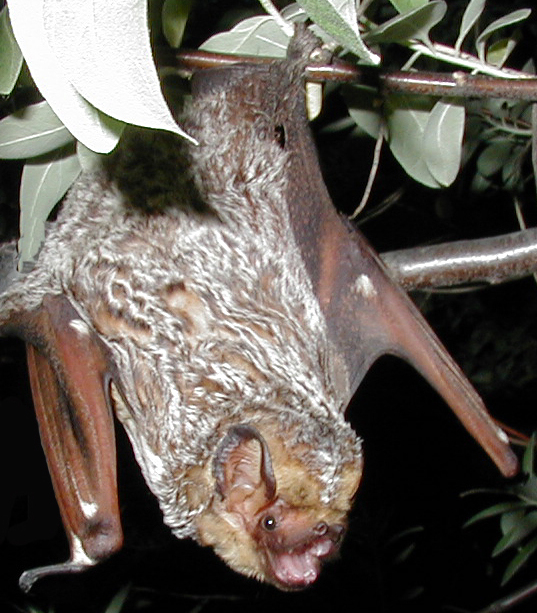
Living next to Bracken Cave
Bat Conservation International's Bracken Cave Preserve, on San Antonio's northern outskirts, holds more than 15 million Mexican free-tailed bats in summer, according to TPWD. Closer to downtown, Texas Highways describes a colony of more than 50,000 male free-tailed bats under the I-35 bridge where it crosses the San Antonio River near Camden Street, present from April through October.
Those large colonies aren't what ends up in houses, but the same species does. Texas Tech's Mammals of Texas account makes a point about South Texas: Spanish-style clay tile roofs are among the most vulnerable roofs to free-tailed bat colonies. The curved tiles leave sheltered channels where they meet the eaves and ridge. The account also says no style, age, or condition of building is immune. A 2015 stucco house can have bats as easily as a 1940s bungalow.
San Antonio is on the edge of the Edwards Plateau, where the cave myotis is common. That species normally uses caves but also roosts in old buildings, carports, and under bridges. Pallid bats reach the western half of the state and sometimes use attics and eaves. Texas Tech notes that free-tailed bats west of the eastern fourth of Texas are mostly migratory, so many local building colonies thin out in winter. Abundance in buildings peaks in spring and fall.
San Antonio and Bexar County contacts
- Inside city limits: San Antonio Animal Care Services (ACS), through 311 or 210-207-6000. ACS is the local rabies control authority and handles bite reports and animals that need quarantine or testing.
- Unincorporated Bexar County: Bexar County Animal Control, 210-335-9000 on weekdays. For an after-hours bite, call the Sheriff's Office at 210-335-6000, option 1.
- Public health: San Antonio Metropolitan Health District (Metro Health) is the Bexar County entry on the DSHS disease-reporting list.
Under 25 TAC § 169.25, anyone who knows of a possible human exposure to a rabid animal must report it to the local rabies control authority. For a bat, Texas DSHS advises confining it without touching it, so it can be tested. Waking up with a bat in the bedroom counts even if no one felt a bite.
The exclusion calendar here
TPWD discourages excluding bats from buildings from May 1 through August 15, while pups can't fly. Cave myotis and pallid bats give birth in late spring as well. At San Antonio International, the average low stays at or above 50°F from March through October, and January averages about 41°F. Exclusion normally happens from mid-August through October or in early spring. We check the forecast for warm nights because one-way devices need bats flying and feeding.
San Antonio housing and climate snapshot
- Housing units: 629,160 (median year built 1986)
- Built before 1980: 40%; built 2010 or later: 18%
- Single-family detached: 58%; buildings with 10+ units: 22%
- Renter-occupied homes: 48%
- Average January low: 41°F; average August high: 96°F
- Months with an average low of 50°F or warmer: Mar–Oct
Housing figures: U.S. Census Bureau, ACS 2024 1-year estimates (tables B25024, B25034, B25035, B25003) via Census Reporter. Climate: NOAA 1991–2020 normals, San Antonio Intl Ap station.
Almost 58% of the city's housing is detached single-family homes, so most bat jobs here are on houses, not apartments. On tile roofs, the work usually means sealing the open tile ends at the eaves with bird stops or a closure strip. We seal everything except the main exit, put a one-way device there, and close it once the bats are out.
Common questions
Who do I call about a bat bite in San Antonio?
Inside city limits, call 311 or San Antonio Animal Care Services at 210-207-6000. In unincorporated Bexar County, call Bexar County Animal Control at 210-335-9000. Also see a doctor, and keep the bat contained if you can do it without touching it.
Why do bats get into clay tile roofs in San Antonio?
Texas Tech's Mammals of Texas identifies Spanish-style clay tile roofs in South Texas as among the most vulnerable roofs to free-tailed bat colonies. The open tile channels at the eaves and ridge give sheltered gaps.
Do bats from Bracken Cave end up in houses?
Bracken Cave holds more than 15 million free-tailed bats. Building colonies are the same species, but Texas Tech says most hold fewer than 100 bats, and they turn up in buildings across every Texas town.
Do San Antonio bats leave in winter?
Many do. Free-tailed bats outside the eastern fourth of Texas are mostly migratory, so many local building colonies thin out in winter. Building numbers peak in spring and fall.
When is bat exclusion allowed in San Antonio?
State rules allow removal from occupied buildings. TPWD discourages it from May 1 to August 15 to avoid trapping flightless young, so mid-August through October and early spring are the usual windows.
Nearby city guides
Sources
- City of San Antonio ACS: animal bites and scratches
- San Antonio Metro Health: rabies
- Bexar County Animal Control
- Texas DSHS: Bexar County disease reporting contacts
- TPWD: Bracken Cave Preserve
- Texas Highways: top bat-viewing spots
- Mammals of Texas (TTU NSRL): Brazilian free-tailed bat
- Mammals of Texas (TTU NSRL): cave myotis
- Mammals of Texas (TTU NSRL): pallid bat
- TPWD Outdoor Annual: nongame and other species (bats)
- 25 Tex. Admin. Code § 169.25: reports of human exposure to rabies
- Texas DSHS: bat exposure scenarios and capture tips
- Texas DSHS: Rabies Prevention in Texas (Jan 2026)
- Census Reporter: San Antonio ACS 2024 profile
- NOAA NCEI 1991–2020 monthly normals (San Antonio Intl Ap)
Other Texas cities we serve
We serve all of Texas. Here are nearby service areas.
Other wildlife removal services we offer here
San Antonio bat removal, done right.
Call for a phone consultation. Written warranty. Licensed by Texas Parks & Wildlife.