
Bat Removal Lubbock, TX
In October 2025, Lubbock Public Health and Lubbock Animal Services warned residents about rabid bats found in the city. This page covers how bat testing works in Lubbock, which species use High Plains homes, and why the cold winters shorten the exclusion season.
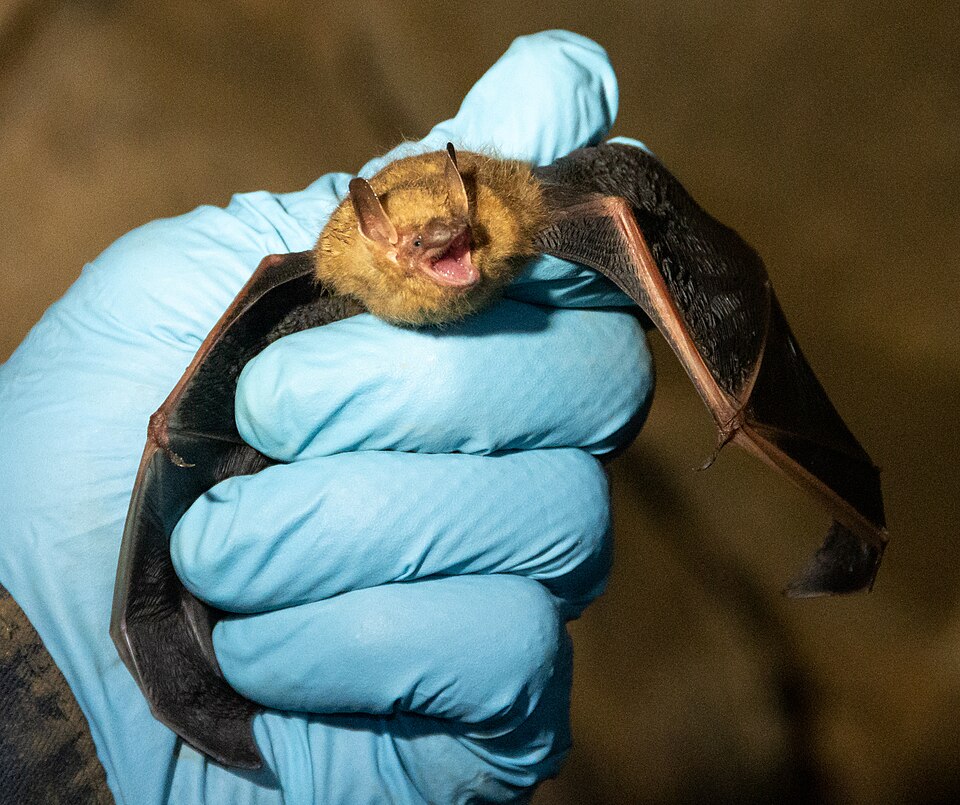
Lubbock's 2025 rabid bat warning
In October 2025, Lubbock Public Health and Lubbock Animal Services reminded residents about rabies safety after several bat encounters, and KCBD reported rabid bats found in the city. The city's message was practical. If a bat has had contact with a person or pet, it should be tested, and Animal Services will coordinate the testing at no charge to the resident. Don't handle the bat, keep children and pets away, and call Animal Services at 806-775-3357 or 806-775-2057. If someone was exposed, wash the area with soap and water and get medical care.
The Animal Services page also explains the next step: after a bite, the bat is euthanized and sent to the state laboratory for testing. Bats can't be quarantined the way a dog can. For disease reporting, the City of Lubbock Health Department's epidemiology office is the Lubbock County contact on the DSHS list, at (806) 775-2990. The South Plains Wildlife Rehabilitation Center says that bats and skunks are the animals it most often sees with rabies in Lubbock.
High Plains bats
The Mammals of Texas, the species reference behind this section, is published by the Natural Science Research Laboratory at Texas Tech, here in Lubbock. It lists several species that use buildings on the High Plains:
- Pallid bat: found in the western half of the state, including the High Plains. It roosts in attics and under eaves in colonies of about 12 to 100. Young are born early May to mid-June and fly at about six weeks.
- Big brown bat: forms building maternity colonies of about 20 to 300. On the High Plains, females often have twins, born from May into August.
- Brazilian free-tailed bat: a summer resident across Texas that uses buildings in every town. Most building colonies hold fewer than 100.
- Tri-colored bat: found in all regions except the far western Trans-Pecos.
A short warm season
Lubbock is the coldest city on our Texas list. The average January low at the Lubbock station is about 27°F, and average lows reach 50°F only from May through September. TPWD discourages exclusion from May 1 to August 15, which covers most of that warm stretch. That leaves late August through September, and sometimes early October in a warm year, as the main window. Big brown bats can hibernate in buildings, so a colony found in winter is often best sealed out the following fall, not disturbed in the cold.
Lubbock housing and climate snapshot
- Housing units: 124,364 (median year built 1986)
- Built before 1980: 44%; built 2010 or later: 20%
- Single-family detached: 66%; buildings with 10+ units: 15%
- Renter-occupied homes: 49%
- Average January low: 27°F; average August high: 92°F
- Months with an average low of 50°F or warmer: May–Sep
Housing figures: U.S. Census Bureau, ACS 2024 1-year estimates (tables B25024, B25034, B25035, B25003) via Census Reporter. Climate: NOAA 1991–2020 normals, Lubbock station.
About two-thirds of Lubbock homes are detached houses, and 44% were built before 1980. Lubbock gets about 18 inches of rain a year, but wind and hail are hard on roofs. Hail-cracked vents, loose ridge caps, and fascia damaged by blowing debris are typical bat entry points. When you have hail damage repaired, ask the roofer to screen gable vents and close gaps at the roof-to-wall joints.
Common questions
Does Lubbock test bats for rabies for free?
Yes, when a bat has had contact with a person or pet. Lubbock Animal Services coordinates the testing at no charge. Call 806-775-3357 or 806-775-2057.
Were rabid bats found in Lubbock recently?
Yes. In October 2025, Lubbock Public Health and Animal Services warned residents after several bat encounters, and local news reported rabid bats found in the city.
What bats live in Lubbock attics?
Texas Tech's Mammals of Texas lists pallid bats, big brown bats (often twins on the High Plains), Brazilian free-tailed bats, and tri-colored bats in the region.
When can bats be excluded in Lubbock?
Mostly late August through September. Lubbock's average lows reach 50°F only from May through September, and TPWD discourages exclusion from May 1 to August 15.
Which animals most often carry rabies in Lubbock?
The South Plains Wildlife Rehabilitation Center says bats and skunks are the animals it most often sees with rabies in Lubbock.
Nearby city guides
Sources
- City of Lubbock: rabies safety after recent bat encounters (Oct 2025)
- City of Lubbock: Animal Services
- KCBD: Lubbock health officials warn of rabid bats (Oct 15, 2025)
- Texas DSHS: Lubbock County disease reporting contacts
- South Plains Wildlife Rehabilitation Center
- Mammals of Texas (TTU NSRL): pallid bat
- Mammals of Texas (TTU NSRL): big brown bat
- Mammals of Texas (TTU NSRL): Brazilian free-tailed bat
- Mammals of Texas (TTU NSRL): tri-colored bat
- TPWD Outdoor Annual: nongame and other species (bats)
- Census Reporter: Lubbock ACS 2024 profile
- NOAA NCEI 1991–2020 monthly normals (Lubbock)
Other Texas cities we serve
We serve all of Texas. Here are nearby service areas.
Other wildlife removal services we offer here
Lubbock bat removal, done right.
Call for a phone consultation. Written warranty. Licensed by Texas Parks & Wildlife.