
Bat Removal Fort Worth, TX
Fort Worth Animal Care & Control handles bats when a person or pet may have been exposed, but not as nuisance wildlife. This page covers the city and county contacts, which bats use Fort Worth homes, and how to time an exclusion.
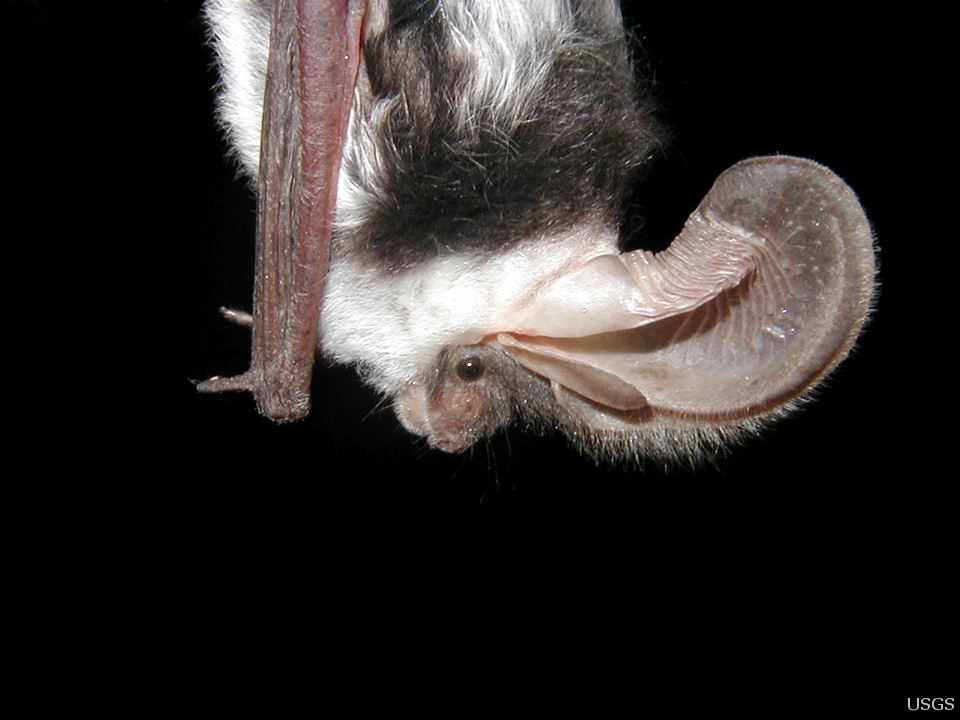
How Fort Worth handles bats
The City of Fort Worth's wild animal guidance is clear about where its responsibility ends. Animal Care & Control investigates high-risk rabies suspects, including bats, foxes, raccoons, coyotes, and skunks, when there is a reasonable chance a person or pet was exposed. It does not handle healthy wildlife living on private property. A bat colony in an attic is the property owner's job. A bat that bit someone, or was found in a bedroom, is a call to 817-392-1234.
The city's rabies page asks you not to release a bat that may have touched a person or pet. Wash any wound with soap and water and get medical care. In Tarrant County, Tarrant County Public Health Epidemiology is the DSHS disease-reporting contact for both city and county residents. It's at 4807 Mercantile Dr and has a 24-hour line at (817) 321-5350.
Which bats use Fort Worth houses
Fort Worth sits where Texas Tech's ranges for eastern and western species overlap. The cave myotis is listed for north-central Texas. It usually roosts in caves but also uses old buildings, carports, and bridges, and nursery colonies can be large. Big brown bats form building maternity colonies of about 20 to 300, with young born May through August. Evening bats, which range east of the 100th meridian, also use buildings. Brazilian free-tailed bats are the most common building bat across the state.
Newer homes still get bats
It's easy to assume a new house is sealed, but Fort Worth's housing shows why that isn't true. The median home was built in 1998, and about 29% were built in 2010 or later, much newer than Dallas. Texas Tech notes that no style, age, or condition of building is immune to free-tailed bats. In new subdivisions we often find gaps at roof-to-wall joints where two rooflines meet, at loose ridge-vent ends, and behind stone or brick veneer where it meets the soffit. Older houses in the central neighborhoods have more open gable vents and weathered trim.
Exclusion timing
TPWD discourages excluding bats from buildings from May 1 to August 15. At Meacham Field, average lows stay at 50°F or warmer only from April through October, and January averages about 37°F. Fort Worth's fall exclusion window is fairly short: mid-August through October, before cold fronts stop bat activity for days at a time. Spring work is possible in late March and April, before pups are born.
Fort Worth housing and climate snapshot
- Housing units: 397,627 (median year built 1998)
- Built before 1980: 32%; built 2010 or later: 29%
- Single-family detached: 65%; buildings with 10+ units: 21%
- Renter-occupied homes: 42%
- Average January low: 37°F; average August high: 97°F
- Months with an average low of 50°F or warmer: Apr–Oct
Housing figures: U.S. Census Bureau, ACS 2024 1-year estimates (tables B25024, B25034, B25035, B25003) via Census Reporter. Climate: NOAA 1991–2020 normals, Ft Worth Meacham Fld Naaf station.
Common questions
Does Fort Worth Animal Care & Control remove bats from attics?
No. The city investigates bats as high-risk rabies suspects when a person or pet may have been exposed. Bats living in a home are handled by private wildlife companies.
What number do I call after a bat bite in Fort Worth?
Call Animal Care & Control at 817-392-1234 and don't release the bat. Wash the wound with soap and water and get medical care. Tarrant County Public Health Epidemiology answers around the clock at (817) 321-5350.
My Fort Worth home is new. Can bats still get in?
Yes. Texas Tech's Mammals of Texas says no building style or age is immune. In newer homes, the usual gaps are at roof-to-wall joints, ridge-vent ends, and where veneer meets the soffit.
Which bats live in Fort Worth buildings?
Brazilian free-tailed bats are the most common. Big brown bats, evening bats, and cave myotis also use buildings in north-central Texas.
When is the best time to exclude bats in Fort Worth?
Mid-August through October, after the TPWD pup-season guidance ends on August 15. Late March and April also work, before young are born.
Nearby city guides
Sources
- City of Fort Worth: wild animals
- City of Fort Worth: rabies
- Texas DSHS: Tarrant County disease reporting contacts
- Mammals of Texas (TTU NSRL): cave myotis
- Mammals of Texas (TTU NSRL): big brown bat
- Mammals of Texas (TTU NSRL): evening bat
- Mammals of Texas (TTU NSRL): Brazilian free-tailed bat
- TPWD Outdoor Annual: nongame and other species (bats)
- Texas DSHS: bat exposure scenarios and capture tips
- Census Reporter: Fort Worth ACS 2024 profile
- NOAA NCEI 1991–2020 monthly normals (Ft Worth Meacham Fld Naaf)
Other Texas cities we serve
We serve all of Texas. Here are nearby service areas.
Other wildlife removal services we offer here
Fort Worth bat removal, done right.
Call for a phone consultation. Written warranty. Licensed by Texas Parks & Wildlife.