
Raccoon Relocation in Texas: Capture, Transport and Release Are Three Different Questions
Catching a raccoon, driving it somewhere, and letting it go sound like one job. Texas law treats them as three separate steps, and a homeowner is only covered for the first one.
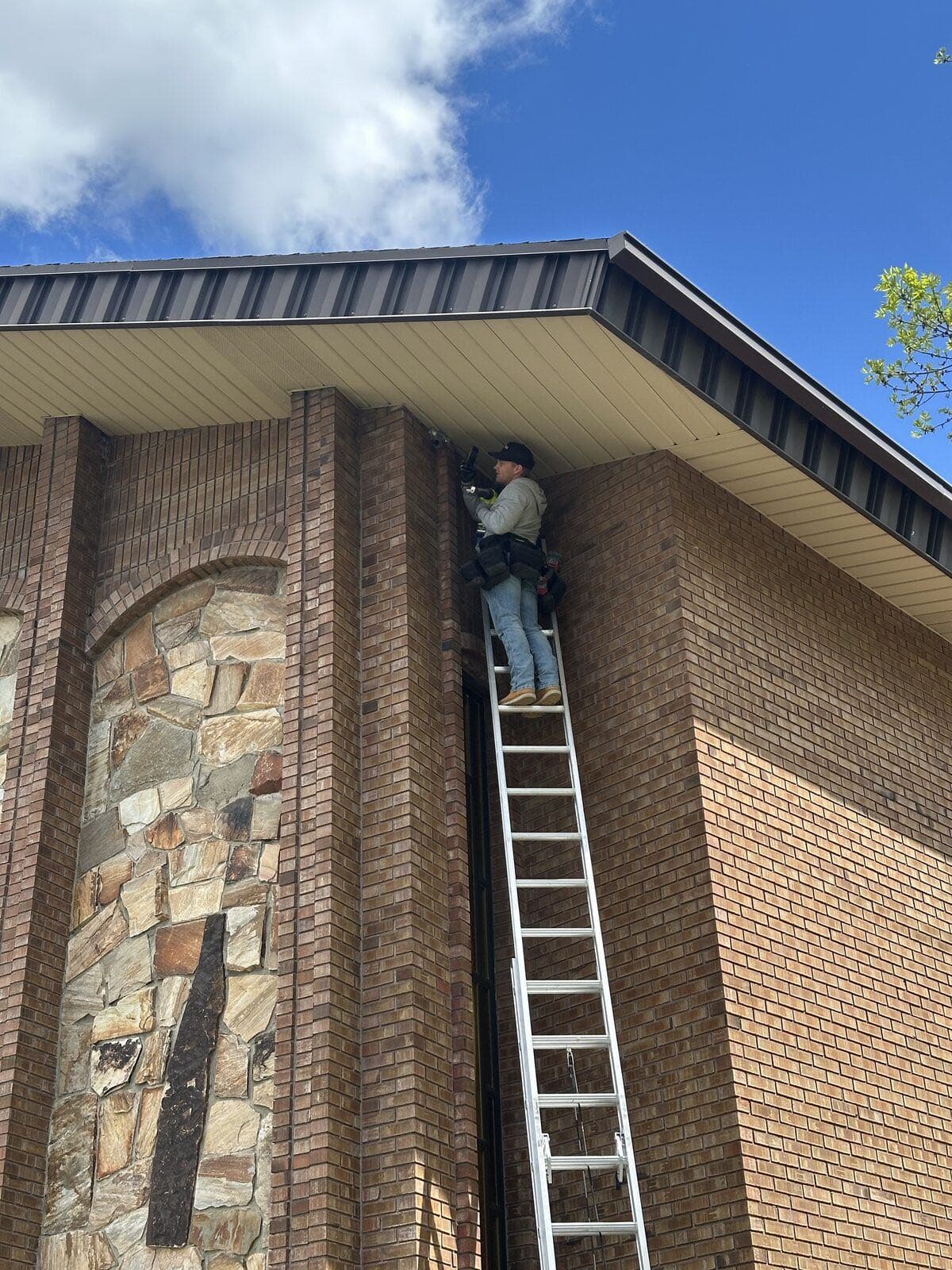
Catch it and let it go somewhere wild. That is the most natural request a homeowner can make about a raccoon in the attic. In Texas it involves three different sets of rules. Capture, transport, and release are separate legal steps. The Texas Parks and Wildlife Department covers the first and third. The Texas Department of State Health Services covers the middle one, because raccoons are a rabies concern. A homeowner can usually handle the first step on their own land. The other two are where well-meaning people get into trouble.
You will not find trapping instructions here. What follows is what the law says about each step, so you can make a good decision, or ask a contractor the right questions, before anyone sets a trap.
First, confirm what animal you actually have
The rules below depend on species, so identification is not a formality. Raccoons, opossums, and skunks can all end up under a porch or in an attic in Central Texas. They do not share the same rule set. TPWD defines fur-bearing animals to include the raccoon, opossum, skunk, fox, and several others (TPWD: Fur-bearing Animal Definitions). The state's rabies transport ban is narrower. It names fox, skunk, coyote, and raccoon.
Bats are a separate category entirely. TPWD gives them their own rules, including a stretch of the year when excluding them from buildings is discouraged (TPWD: Nongame and Other Species), so this post does not cover them. If you are not sure what is living in the attic, start with the signs. Raccoons are heavy, active at night, and tend to pull open soffit panels to get in.
Step one: capture
This is the step Texas law is most generous about. According to TPWD, landowners or their agents may take nuisance fur-bearing animals in any number, by any means, at any time on that person's land without a hunting or trapping license (TPWD: Nuisance Fur-bearing Animals).
Two details in that rule matter. The permission applies to the landowner's own land, or to an agent working for that landowner. And TPWD adds that fur-bearing animals or pelts taken for nuisance purposes may not be retained or possessed by anyone, outside of licensed trappers during the lawful open season. Catching the animal is allowed. Keeping it is not. The rule says "landowners," so a renter should talk to the property owner first.
The capture rule says nothing about putting the raccoon in the car. A different agency handles that. As the next two sections show, a homeowner who traps a raccoon has no legal way to keep it, drive it anywhere, or release it somewhere else. That is why the time to call is before a trap goes out, not after.
Step two: transport
DSHS describes rabies in Texas as an ongoing state health emergency, and the quarantine rule that follows from it is specific. Under 25 Texas Administrative Code §169.34, it is illegal to transport any live fox, skunk, coyote, or raccoon from, to, or within the State of Texas (25 Tex. Admin. Code §169.34). The Department of State Health Services describes a violation as a Class C misdemeanor (Texas DSHS: Transport).
The exemptions are a short list. They only apply when the transport is part of the person's official duty. DSHS names:
- peace officers
- people hired or contracted by state, federal, or local government
- employees of accredited zoos
- educators and rehabilitators permitted by TPWD
- an entity issued TPWD authorization for nuisance fur-bearing animal relocation
- pest management professionals licensed by the Texas Department of Agriculture
A homeowner with a cage trap is not on that list. Driving a trapped raccoon across town, or out to a relative's ranch in the Hill Country, is transport under the quarantine rule, however kind the intention.
Step three: release
Release is where TPWD comes back in. TPWD says nuisance fur-bearing animals may be captured and relocated only with authorization from the department. The owner of the property where the release will happen has to agree, too. TPWD also requires a monthly report covering the number and kind of fur-bearers captured, the location of the release site, and the name and address of the person authorized to release.
Even with that authorization, the distance is limited. When an exempt person transports a quarantined animal for release, DSHS says it must be released within a ten-mile radius or within ten miles of the city limits of where it was captured, and the release must be within the county where it was originally captured.
That county line matters in Central Texas. San Marcos is the seat of Hays County, and a raccoon caught there cannot legally be carried north into Travis County for release, even by someone who holds relocation authorization. The same applies to Austin, San Antonio, Temple, and every town in between.
The three steps side by side
- Capture (TPWD). Landowners or their agents may take nuisance fur-bearers on that person's land without a license, and the animals may not be kept. A homeowner is covered on their own land.
- Transport (DSHS, 25 TAC §169.34). Live raccoons, foxes, skunks, and coyotes may not be transported except by the listed exempt groups on official duty. A homeowner is not covered.
- Release (TPWD and DSHS). Release needs TPWD authorization, the release-site owner's permission, and monthly reporting. The release point must be within ten miles of the capture site or of that city's limits, and inside the same county. A homeowner is not covered without that authorization.
Why a one-way door avoids the whole question
With a one-way door, the raccoon does not need to be moved at all. Our raccoon removal service uses a one-way door system that we build out custom to each situation. The raccoon leaves the attic on its own the next time it goes out to feed, the door keeps it from coming back in, and the entry point gets sealed. Nobody transports anything, so the quarantine and release rules never come into play.
Timing still matters. Texas A&M AgriLife Extension reports that raccoons usually have one litter a year, born in February or March, with three to five young (Texas A&M AgriLife Extension, L-1902). In late winter and spring, a technician has to confirm whether kits are in the attic before any opening is closed. Sealing a mother out while her young are still inside is the kind of mistake that turns a removal job into a much harder one.
The raccoon's health risks are another reason not to handle it yourself. DSHS classifies raccoons among the animals at high risk for transmitting rabies, and Texas A&M AgriLife Extension lists roundworms, distemper, and mange among the parasites and diseases that affect them.
Questions to ask before anyone traps a raccoon on your property
If a contractor proposes trapping and moving the animal, a few direct questions will tell you whether the plan is legal:
- Does the plan move the raccoon off my property? If the answer is no, and the plan relies on a one-way door and sealing, most of the questions below do not apply.
- If it does, what authorization do you hold? Ask whether the company holds TPWD authorization for nuisance fur-bearing animal relocation or is a pest management professional licensed by the Texas Department of Agriculture, since those are the exemptions that fit this work.
- Where is the release site, and who owns it? TPWD requires the release-site owner's permission. DSHS requires release within ten miles of the capture site or its city limits, and within the same county.
- How will you check for young? A good answer describes an attic inspection, not a guess.
- What happens to the entry point? Removing a raccoon without sealing the opening it used leaves the attic available to the next one.
What this means for a raccoon in your attic
In Austin, San Marcos, San Antonio, Temple, and the Hill Country, an attic raccoon is usually best handled with a one-way door, a careful check for young, and a permanent seal. That approach keeps the animal on its home ground and keeps you clear of the transport and release rules.
If a raccoon has moved in, call (512) 910-3825 or schedule online. We will confirm the species, look for young, and explain how the animal gets out and stays out. Homeowners in Hays County can also start with our San Marcos raccoon removal page.
Frequently asked questions
Can I trap a raccoon on my own property in Texas without a license?
Texas Parks and Wildlife Department rules let a landowner or the landowner's agent take a nuisance fur-bearing animal, which includes raccoons, on that person's land without a hunting or trapping license. That rule covers capture on your own property. It does not give a homeowner permission to transport the raccoon or release it somewhere else. Moving it off the property brings in separate TPWD and Department of State Health Services rules.
Can I drive a trapped raccoon to a park or out to the country and let it go?
Not as a private homeowner. Under the statewide rabies quarantine in 25 Texas Administrative Code §169.34, transporting a live raccoon, fox, skunk, or coyote is illegal unless the person falls into an exempt group. The Texas Department of State Health Services says a violation is a Class C misdemeanor. Releasing a nuisance fur-bearing animal also requires authorization from TPWD and permission from the owner of the release property.
What is the ten-mile rule for raccoon relocation in Texas?
When an exempt person, such as an entity holding TPWD authorization for nuisance fur-bearing animal relocation, transports a quarantined animal for release, the Texas Department of State Health Services says it must be released within a ten-mile radius or within ten miles of the city limits of where it was captured, and inside the county where it was captured.
Is an opossum treated the same way as a raccoon?
Partly. TPWD's definition of fur-bearing animals includes both the opossum and the raccoon, so the nuisance fur-bearing rules on capture and relocation authorization apply to both. The statewide rabies quarantine transport ban, though, names fox, skunk, coyote, and raccoon. Species identification comes first because it changes which rules apply.
What happens if a raccoon has babies in my attic?
Texas A&M AgriLife Extension reports that raccoons usually have one litter a year, born in February or March, with three to five young. Young in an attic change the plan: nothing should be sealed until the mother and every kit are accounted for, or the young can end up trapped inside. Checking the attic for kits is part of the inspection, and it happens before a single opening is closed.
Related reading
Wildlife in your home? Contact us today.
Call for a phone consultation.